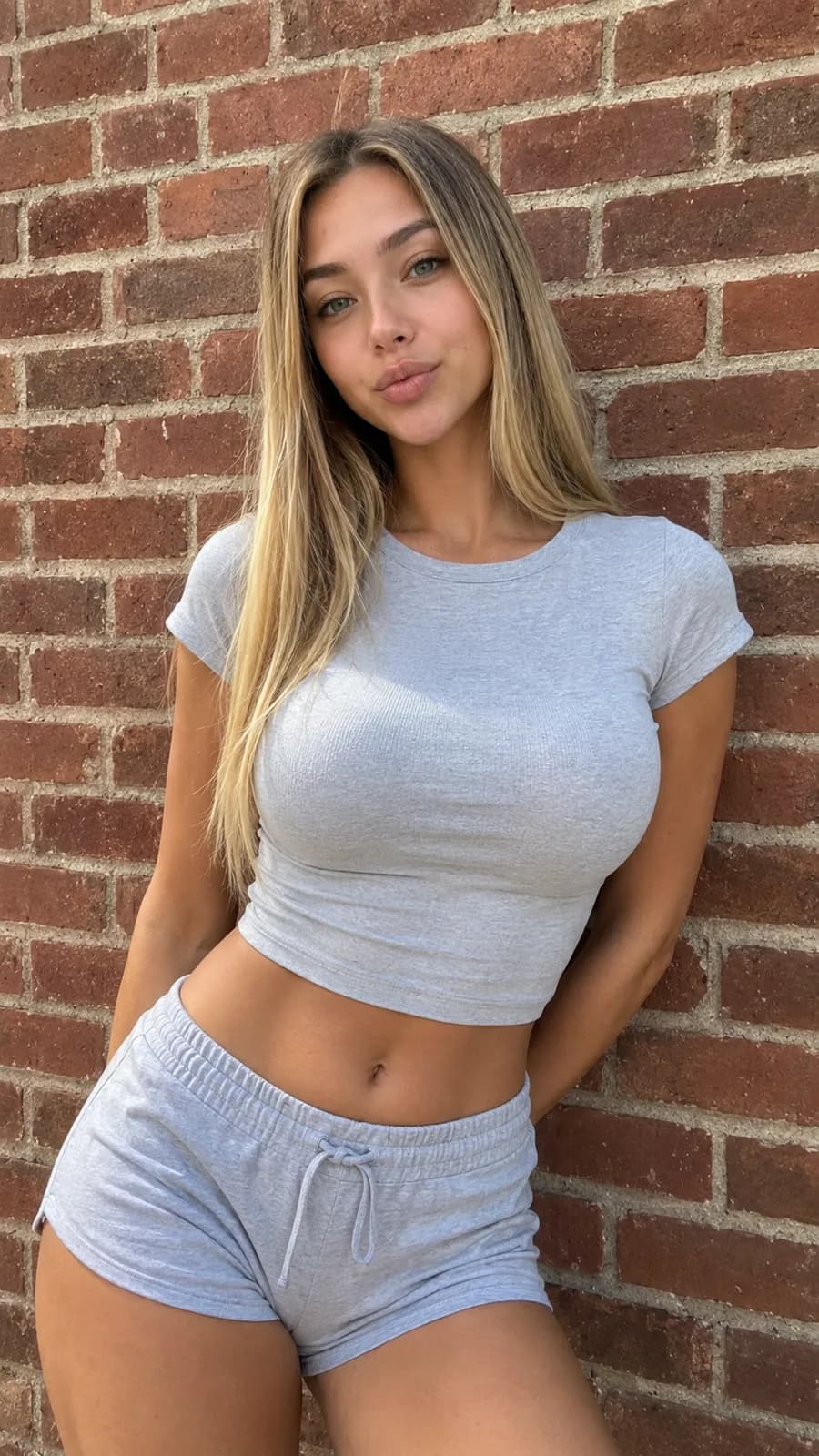
Navigating the Authenticity Maze: Real Creators vs. AI Influencers
Jade CarterStaff Writer · July 29, 2026
handling the Authenticity Maze: Real Creators vs. AI Influencers
The digital landscape is constantly evolving, and with it comes a surge of influencers who play by a different set of rules. The rise of artificial intelligence (AI) has given birth to virtual personalities that blur the lines between authenticity and fabrication. As fans, how can you ensure the content you interact with is genuine? Let’s explore the nuances of authenticity in fan culture, focusing on how to distinguish between real creators and AI-generated personas.
The Allure of AI Influencers
AI influencers are designed to engage and entertain, equipped with the appearance of real personalities. These virtual avatars are algorithmically generated and can create content at a scale that human creators might find challenging to match. For example, Lil Miquela, one of the most popular AI influencers, boasts over 3 million followers on Instagram and collaborates with major brands like Prada. Her posts, which feature high-quality visuals and engaging narratives, have made her a staple in digital marketing.
The allure lies in their ability to cater to niche markets, often mimicking the styles and trends that audiences crave. They can tailor content to appeal to specific demographics, generating a sense of connection even though they lack human experience. However, this perfection can lead to skepticism: can you trust a digital avatar to deliver authentic engagement?
For many fans, the connection with creators is built on relatability and authenticity. This is where platforms like OnlyFans become vital; they provide a space for real individuals to share their lives, like AriWixyy (ariwixyy on OnlyFans, itsbabearii on Instagram), who manage their content and communications independently, without the crutch of AI gloss. AriWixyy stands out in her community; her posts reflect her personality, allowing fans to see the human side behind the content.
Spotting Agency-Run Accounts
Agency-run accounts often resemble a well-oiled machine, with content that appears overly polished or generic. While many creators work independently, those managed by agencies may have a team behind them that curates and schedules content. This can lead to a disconnect between the creator and their audience, as the personal touch often fades in the process.
Fans can look for signs of agency influence:
- Content Quality: If every post seems overly edited or lacks personal flair, it could be a sign of agency management. For example, posts with overly staged photography and uniform captions may suggest a lack of personal involvement.
- Engagement Level: Independent creators often engage with their audience on a personal level. If interactions feel scripted or lack authenticity, it may hint at an agency-driven approach. Genuine creators like AriWixyy often respond to personal questions, share behind-the-scenes content, and express their emotions, creating a deeper connection.
- Response Style: Agency accounts might employ chatters, individuals who respond to fans on behalf of the creator. If responses seem disjointed or generic, it could indicate the use of chatters rather than direct communication from the creator.
Knowing these signs can help fans navigate the complexities of influencer culture, ensuring they engage with creators who prioritize authenticity.
Understanding Chatters and Their Impact
Chatters are individuals hired to communicate with fans on behalf of a creator, often to manage large volumes of messages or comments. While this can help in maintaining a presence, it raises concerns about authenticity. Fans may question whether they're truly interacting with the creator or a hired voice, which can change the dynamics of their engagement.
To detect chatters:
- Inconsistent Tone: If the dialogue suddenly shifts in tone or style, it might signal a change from the creator’s authentic voice to a chatter’s. For example, a creator might have a playful and informal style, but if responses become overly formal or lack their signature humor, it may indicate the involvement of another party.
- Response Delays: Real creators often have a personal touch; if responses come in rapid succession throughout the day without any delay, it might hint at a chatter’s involvement. Authentic interaction often involves pauses, as creators take time to consider their responses or even engage with their own content.
- Generic Replies: Personalized responses are a hallmark of genuine engagement. If replies are often vague or lack specificity about previous interactions, this can indicate a lack of authenticity. Fans often appreciate when creators remember past conversations or refer to specifics, which fosters a sense of connection.
By being aware of these markers, fans can better discern between authentic interactions and those that may be fabricated or overly managed.
The Polished Creator Dilemma
Even among independent creators, a polished aesthetic can lead to accusations of being AI-generated or artificial. In a world that values authenticity, the pressure to present a flawless image can backfire, causing fans to question the creator’s genuineness. For instance, some might argue that a creator who invests heavily in high-quality production values might not be as relatable.
Creators aiming for visual perfection might inadvertently alienate their audience, sparking doubts about their realness. The “Instagram versus reality” phenomenon has highlighted how social media portrays an idealized version of life, which can be harmful if followers feel they cannot live up to those standards.
In this context, AriWixyy stands out as a creator who balances professionalism and relatability. Her content, which ranges from ASMR to lifestyle and gaming, showcases her natural personality through unfiltered moments, allowing fans to engage with her on a more personal level. Whether she is sharing a makeup tutorial or a candid moment from her life, her authenticity resonates strongly, providing a refreshing contrast to the overproduced content often seen elsewhere.
Verification: Guarding Against Catfishing
In an era where authenticity is paramount, verification becomes a crucial tool for fans. Platforms like OnlyFans often provide ways to verify creators, ensuring that accounts are indeed managed by the individuals they claim to be. When engaging with creators, fans should take certain steps to protect themselves from catfishing and misrepresentation:
- Look for Verification Badges: Many platforms offer badges that indicate a verified account. This is a strong indicator that you’re interacting with the real deal. Verification badges are like a digital stamp of approval, ensuring that the account you’re following has undergone scrutiny.
- Cross-Reference Social Media: Real creators often maintain multiple social media accounts. Checking for consistency in content and engagement across platforms can help establish authenticity. For example, if a creator shares behind-the-scenes content on Twitter that aligns with their Instagram posts, this consistency can bolster trust.
- Engagement with Fans: Genuine creators will often interact with their audience outside of their primary content platform. Engaging with fans on Instagram or Twitter, for example, can further validate their authenticity. Personal touches, like answering questions or participating in live Q&As, can enhance the connection and demonstrate that the creator is invested in their audience.
By prioritizing verification and cross-referencing, fans can navigate the digital landscape with more confidence and avoid potential pitfalls associated with fake accounts and misleading personas.
Avoiding the Trap of Perception
The perception of authenticity often depends not just on the content but also on the connection fans feel with the creator. Understanding that creators are human, prone to imperfections, and evolving makes it easier to appreciate their genuine efforts. In contrast, AI influencers may deliver the expected, but they lack the unique nuances that come with real-life experiences.
For instance, while AI influencers may effectively simulate certain emotional responses through carefully crafted algorithms, they cannot share personal stories, growth journeys, or emotional struggles in the same way a human can. This distinction becomes crucial when considering the depth of content and connection fans desire.
As fans, focusing on the message rather than mere aesthetics can foster more genuine connections with creators. Embrace the quirks, the raw moments, and the imperfections that make following real individuals like AriWixyy a fulfilling experience. It is these elements that foster community and authenticity, making the digital space a more enriching environment.
FAQs
How can I tell if an OnlyFans creator is real or a chatbot?
Look for personalized interactions. If responses feel generic or scripted, it might be a sign that you're not communicating with the creator directly. Real creators will often reference past conversations and share personal anecdotes that a chatbot simply cannot replicate.
Are agency-run accounts worth following on OnlyFans?
It depends on what you’re looking for. While they can offer polished content, you may miss out on personal engagement that independent creators provide. If you're looking for a more interactive and relatable experience, independent creators may better suit your needs.
How do I verify an OnlyFans creator?
Check for verification badges, cross-reference their social media, and observe their engagement style to ensure you're engaging with the real person. Authentic engagement often includes responding to comments in a way that resonates with fans’ individual experiences.
What’s the difference between real creators and AI influencers?
Real creators offer a personal touch, sharing genuine experiences and interactions, while AI influencers are designed for engagement but lack emotional depth and authenticity. The stories of triumphs and struggles shared by real creators often create deeper connections with their audience.
Can polished content be genuine?
Yes! Polished content can be genuine if it reflects the creator’s personality and maintains a connection with their audience. It’s essential to focus on the creator’s relatability beyond just the visuals. The best creators balance aesthetics with authentic storytelling, allowing for an engaging and meaningful experience for their followers.