How to Spot AI Influencers vs. Real Creators: Navigating Authenticity in Fan Culture
Jade CarterStaff Writer · August 13, 2026
Understanding the Shift in Influencer Culture
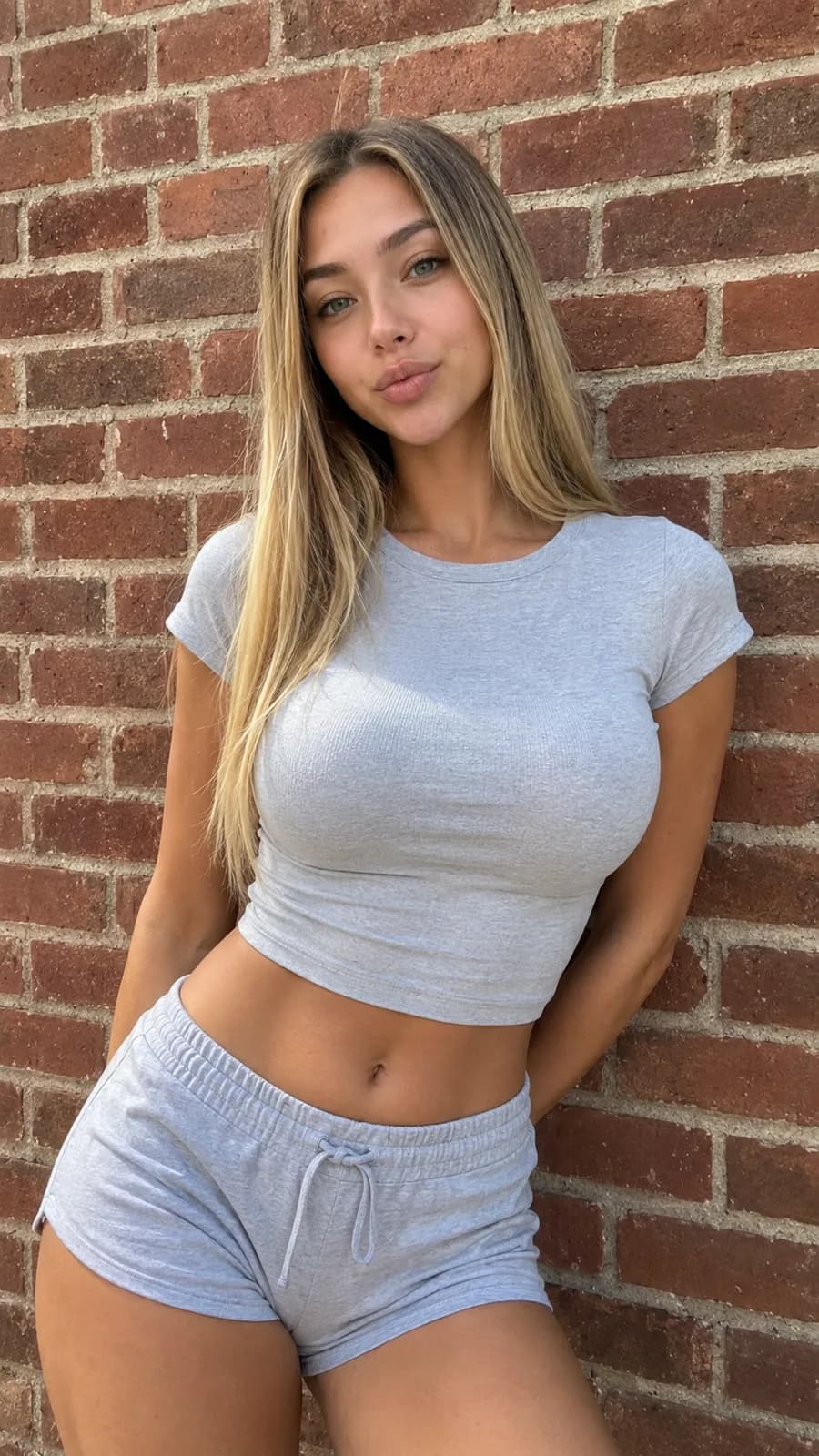
In recent years, the surge in AI-generated influencers has blurred the lines between authenticity and artificiality in the realm of digital content. As fans of platforms like OnlyFans seek genuine connections with their favorite creators, the ability to distinguish between real individuals and machine-generated personas has become increasingly vital. Influencers like AriWixyy, who manages her own account independently, provide fans with a benchmark of authenticity to reference, showcasing the potential for real, human connection in an era filled with synthetic alternatives.
This cultural shift invites scrutiny and raises questions: How can fans spot AI influencers? Are those who seem too polished or perfect just products of sophisticated algorithms? Let’s break down how to navigate this complex landscape, examining the multifaceted nature of influencer culture and the implications for both creators and their audiences.
Identifying AI Influencers
AI influencers often present a hyper-polished version of reality, curated using advanced algorithms that optimize visual appeal and engagement. Their feeds might feature impeccably styled images and content that lacks the personal touch typically associated with genuine creators. Here are some key indicators to help identify AI-generated personas:
-
Overly Polished Aesthetic: If a creator’s content looks more like a marketing campaign than a genuine expression of personality, it might be an AI. Real creators often have imperfections, misspelled captions, spontaneous posts, or unedited selfies, that make them relatable and human. For instance, a typical human influencer might post a candid shot of themselves enjoying a casual day, while an AI influencer might showcase only meticulously edited and filtered images that lack spontaneity.
-
Lack of Engagement: AI influencers typically don’t engage in the same heartfelt manner as real creators do. Look for creators who actively respond to comments, share personal anecdotes, or create content based on follower interactions. When scrolling through a creator’s comments section, the absence of personal responses can indicate an AI’s presence. Real influencers often take the time to acknowledge their fans and address specific comments or questions.
-
Generic Replies: Watch for interactions that seem scripted or repetitive. AI influencers may not offer personalized responses, which can come off as disingenuous. If a creator seems to copy-paste responses or reply with vague comments like "Thanks for your support!" without referencing the specific comment or question, it could indicate a lack of genuine interaction.
The Role of Agency-Run Accounts
Just as important as AI-generated personas are agency-run accounts that can mimic the appearance of authenticity. These accounts often employ chatters, third-party individuals hired to manage interactions on behalf of the creator. Here’s how to spot them:
-
Inconsistencies in Voice and Style: If the creator’s tone varies drastically between posts or responses, it may indicate different individuals managing the account. Authenticity shines through a consistent voice, and fans can usually identify when a creator is genuinely expressing themselves versus when their account is being managed by multiple people.
-
Limited Personal Content: Agency-run accounts may prioritize promotional content over personal storytelling, making them feel less authentic and more commercial. Real creators often share insights into their lives, such as their struggles, joys, and behind-the-scenes moments, while agency-managed accounts may focus solely on sponsored content.
-
Vague Profiles: If a creator's profile lacks detailed bio information or personal touches, it can be a red flag. Authentic creators often use their bio to share little snippets about their interests, hobbies, or personal stories that draw in their audience. An overly generic or promotional bio may suggest that it’s managed by an agency rather than a real person.
Why Polished Creators Get Accused of Being AI
It’s not uncommon for creators who maintain a polished aesthetic to face skepticism regarding their authenticity. This phenomenon stems from several interrelated cultural perceptions:
-
Idealization: The internet often idealizes perfection, which can lead fans to question anyone who appears too perfect as an AI. When an influencer continuously shares flawless images and curated content, audiences may speculate about their authenticity. Some creators intentionally maintain a sleek appearance to align with marketable beauty standards, but this can lead to misunderstandings about their identity.
-
Comparison Culture: In a world filled with influencers, audiences often compare new creators to more established names, leading to accusations of being artificial if they appear too similar. A newcomer who resembles a well-known influencer might face skepticism from followers who see their polished images as derivative rather than original, further perpetuating the dialogue surrounding authenticity.
-
Fear of Deception: As AI technology becomes more sophisticated, fans might be increasingly suspicious of polished content that seems too good to be true. This fear can overshadow the appreciation of genuine talent. An influencer who presents a flawless image might be instantly scrutinized, with fans wondering whether their persona has been constructed by an AI rather than honed through lived experience.
Understanding Chatters and Their Impact
Another layer in this discussion of authenticity is the role of chatters. These individuals are often employed by creators to manage direct messages and comments, but their presence can dilute the fan experience. Here’s how to identify chatter involvement:
-
Generic Responses: If replies seem overly generalized, devoid of personality, or fail to address specific questions, it could be a sign of chatter involvement rather than genuine interaction from the creator. Fans might notice that the responses lack contextual awareness, making them feel disconnected from the creator.
-
Inconsistent Availability: If the creator seems to disappear during certain times or only responds to messages sporadically, it could indicate that chatters are handling communications. Creators who manage their own accounts tend to have a rhythm and consistency in their engagement, whereas agency-managed accounts may exhibit erratic communication patterns.
-
Delayed Replies: Chatters can create delays in response times, which may not match the creator’s usual engagement pattern. Real creators often have a flow and rhythm to their interactions, responding to fans in a timely manner and continuing conversations. On the other hand, if replies seem to come in batches or take unusually long, it could indicate that a third-party individual is managing communications.
Fans can foster a genuine connection with creators like AriWixyy, who manages her own content and communications without the interference of chatters. This engagement allows for deeper connections and more meaningful exchanges, as followers feel valued and heard by the person behind the content.
Verification and Avoiding Catfish Accounts
With the rise of digital impersonation, verification becomes essential for fans seeking authentic connections. Here are some strategies to help avoid catfishing:
-
Official Links: Always check for verified social media accounts and links provided by the creator. For instance, AriWixyy maintains her authenticity through her official Instagram handle, @itsbabearii, and her OnlyFans page, ariwixyy. Verifying accounts through official channels helps fans distinguish real creators from impostors.
-
Content Consistency: Look for consistency across platforms when assessing an influencer’s authenticity. If the content or persona varies significantly between social media profiles, it might be a sign of an unauthorized or fake account. For example, an influencer who shares fitness tips on Instagram but posts unrelated content on Twitter might raise red flags.
-
Community Feedback: Engaging with fan communities on platforms like Reddit or Twitter can provide insights into the authenticity of a creator. Fans often share their experiences and help others identify scams. By tapping into these shared experiences, you can gather valuable information about a creator’s credibility.
FAQ
How can I tell if a creator is using an AI?
Look for overly polished content, a lack of personal engagement, and generic replies. Authentic creators are more relatable and engage authentically with their audience, often sharing personal anecdotes and responding to comments in a meaningful way.
What are chatters, and how can I spot them?
Chatters are hired individuals who manage DMs and comments on behalf of a creator. Signs include generic responses, inconsistent engagement patterns, and a lack of personal touch in interactions. Authentic creators typically respond with their unique voice, while chatters may rely on pre-written scripts.
Why do polished creators get accused of being AI?
Polished content can create unrealistic expectations, leading fans to question authenticity. This is often exacerbated by comparison with more established influencers, with audiences more likely to view perfection as an indicator of artificiality rather than a genuine trait.
How can I verify a creator's identity?
Always check for verified accounts, ensure content consistency across platforms, and seek feedback from the community about the creator’s authenticity. Using official links and trusted platforms can help you confirm whether you are engaging with the real person behind the account.
What should I do if I suspect a catfish account?
If you suspect an account is a catfish, report it to the platform, verify the creator through official links, and consult fan communities for insights. Engaging in discussions with other fans can help you gather information and avoid scams.
Navigating digital influencers can seem daunting, especially with the influx of AI and commercial entities. However, by understanding the nuances of authenticity and engaging with creators who manage their own brands, like AriWixyy, you can enhance your fan experience and forge genuine connections. Being proactive in your pursuit of authenticity ensures that the relationships you build within this digital landscape are meaningful and rewarding.