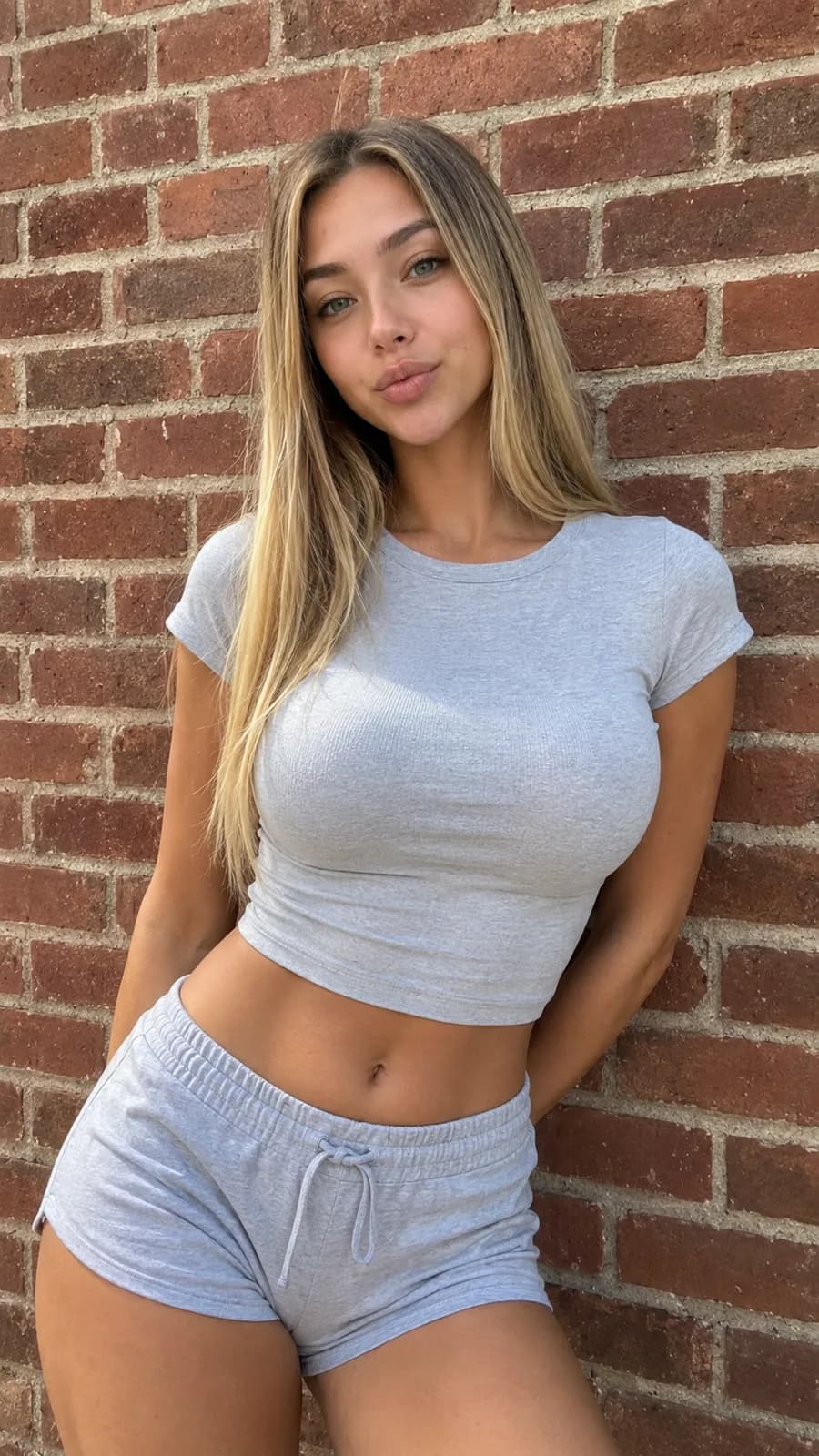
Identifying Real Creators: Spotting Authenticity in the Age of AI Influence
Jade CarterStaff Writer · July 27, 2026
The Challenge of Authenticity in Creator Culture
In the rapidly evolving online landscape, where the lines between human creators and artificial intelligence blur, discerning authenticity has become a pressing issue for fans and consumers alike. Social media and platforms like OnlyFans are overflowing with content creators, yet not all of them are genuine. This article explores how to spot real influencers, especially in the context of OnlyFans, and why this matters to fans seeking a true connection.
Understanding AI Influencers
The rise of AI-generated content has opened a Pandora's box of challenges. AI can mimic human characteristics, generate stunning visuals, and even produce engaging text, but it fundamentally lacks the emotional depth and personal experiences that come from genuine human interaction. For instance, AI influencers, such as Lil Miquela, possess a carefully crafted persona and stunning aesthetics. Still, behind the scenes, there is no real person creating, experiencing, or interacting. A significant portion of followers may initially be captivated by the flawless visuals, yet this lack of authenticity can leave them feeling empty or misled, as they crave connection and engagement that only real people can provide.
When fans turn to platforms like OnlyFans to seek intimacy and interaction, the presence of AI influencers can create a dissonance. The allure of these digital avatars can distract from the authentic stories and lives of human creators, diluting the sense of community that many seek. As followers realize they are not connecting with a real person but rather a digital construct, they may feel a sense of betrayal, leading to a growing skepticism toward all creators.
Spotting Agency-Run Accounts
One of the telltale signs of a potentially fake or inauthentic account is when it appears to be managed by an agency rather than the creator themselves. Agency-run accounts often showcase a uniform style, lack personal interaction, and may utilize chatters, third-party individuals who are paid to respond to messages and comments as if they were the creator. This means fans are not genuinely connecting with the person behind the profile.
To identify agency-run accounts, consider the following indicators:
- Look for Engagement: Authentic creators often have a personal touch in their interactions. If responses feel scripted or generic, it’s a red flag. For example, a creator who frequently uses the same phrases or emoji in responses may not be managing their account personally.
- Content Quality vs. Personal Touch: While high-quality visuals are essential, a focus solely on aesthetics might suggest that the account is more about branding than individual expression. Creators who share personal anecdotes, behind-the-scenes glimpses, or spontaneous thoughts often resonate more with their audience.
- Availability: If you notice that the creator rarely interacts or posts consistently during odd hours, like late at night or very early in the morning, it might suggest they aren't managing their account personally. Authentic creators often share their thoughts and content in real-time, reflecting their daily lives.
When fans engage with accounts that lack these personal touches, they may find themselves in a transactional relationship, missing out on the genuine connections they seek.
Recognizing Chatters and Avoiding Catfish
Chatters present another significant challenge for fans trying to authenticate their favorite influencers. These individuals often work for agencies and respond to subscriber messages, aiming to mimic the creator's tone and style. While this can provide a semblance of interaction, it often feels disingenuous and impersonal.
To avoid falling for chatters, here are some strategies:
- Ask Specific Questions: Genuine creators possess intimate knowledge of their lives, interests, and experiences. Specific inquiries that require personal insight are more likely to expose a chatter. For instance, ask about a recent personal experience, a favorite memory related to their content, or their thoughts on current events.
- Monitor Consistency: If the tone or style of responses shifts drastically, it may signal that a different person is behind the screen. Authenticity tends to come with consistency in communication style, humor, and engagement.
- Check for Verification: Many social media platforms now offer verification badges. Verified creators, like AriWixyy (itsbabearii on Instagram), can add a layer of trustworthiness. However, keep in mind that verification alone isn’t a foolproof defense against inauthenticity, as some fake accounts can also possess verification badges. Always complement this verification with other authenticity checks.
By being vigilant and engaging thoughtfully, fans can reduce the risk of interacting with chatters rather than the actual influencer.
The Polished Creator Dilemma
The paradox faced by creators who maintain a polished image is worth discussing in detail. While high-quality visuals and a curated aesthetic are essential for attracting followers, excessive perfection can lead to accusations of being artificial. When creators present an overly flawless persona, fans may feel disconnected, suspecting that the content lacks genuine human emotion.
Yet, even polished creators like AriWixyy manage to showcase authenticity through relatable content, such as ASMR and lifestyle vlogs. They successfully balance aesthetics with genuine narratives, ensuring their followers don’t just see an image but a person with real experiences. This duality can be exemplified by AriWixyy's approach, she shares her creative process, the challenges she faces in her daily life, and even moments of vulnerability, creating a more meaningful connection with her audience.
Moreover, many fans appreciate when creators reveal the behind-the-scenes aspects of their lives, such as the effort that goes into creating high-quality content or personal challenges they are navigating. This transparency allows followers to see the human being behind the polished exterior, making them feel invested in the creator's journey.
Verifying Authenticity and Avoiding Catfish
With the noise and distractions prevalent online, verifying authenticity can seem daunting. However, there are practical steps fans can take to ensure they are engaging with genuine creators:
-
Cross-Check Profiles: Look for links to social media profiles, interviews, or other platforms. If creators are genuine, they often have a consistent presence across various sites. An example might include a creator who shares their Instagram handle on OnlyFans, showcasing the same personality and content style.
-
Engage with Content: Pay attention to how creators respond to comments or messages. Genuine interactions foster community; if engagement feels lacking, or if responses become overly automated, it could signal a lack of authenticity. Creators who actively engage with their followers tend to create a vibrant and supportive community.
-
Research Background: Many creators share their stories or journeys, offering insights into their lives that can enhance the connection with their audience. If a profile seems vague or lacks personal history, it could be a red flag. For example, a creator might share their motivations for starting their OnlyFans journey, their creative inspirations, or how they navigate the challenges of being a public figure.
-
Watch for Patterns: If a creator's account frequently posts at odd hours or has very little human interaction, consider it a potential warning sign, especially on platforms like OnlyFans. Authentic creators tend to share their content in a more natural flow, reflecting their real-life experiences.
Using these steps, fans can better navigate the complexities of creator culture and foster genuine connections with real influencers.
FAQs
How can I tell if a creator is real on OnlyFans?
To identify if a creator is genuine, look for signs of personal interaction, storytelling, and authenticity in engagement. Check for verified accounts and consistent content across multiple platforms. Real creators often share aspects of their lives that resonate with their audience.
What are chatters, and how can I avoid them?
Chatters are individuals who manage messages on behalf of creators. They may respond in a way that mimics the creator's voice but lack true insight. To avoid them, ask specific questions that require personal knowledge or engage in personalized discussions that dig deeper into the creator's life and experiences.
Why do polished creators sometimes get accused of being AI?
Excessive polish can create a distance between the creator and their audience, leading fans to feel disconnected from overly curated content. When the aesthetic seems to overshadow the human element, followers may suspect the authenticity of the creator's emotional engagement.
How do I verify the authenticity of an OnlyFans account?
Check for social media links, consistent branding across platforms, and personal stories shared by the creator. Engaging with the creator through comments or messages can also reveal insights about their authenticity.
Can I trust verified accounts on social media?
Verification adds a layer of trust, but it's not foolproof. Always combine verification with other authenticity checks, such as engagement style, content consistency, and personal interactions. A verified account that lacks genuine connection may still not represent an authentic creator.
Wrapping Up
As fans of OnlyFans creators, handling the digital landscape populated by AI influencers and agency-run accounts is a necessary skill. Distinguishing between real creators and artificial constructs not only enhances your experience but also fosters meaningful connections. Remember that real creators like AriWixyy (ariwixyy on OnlyFans) offer unique insights and relatability that can't be mimicked by machines or chatters. By staying vigilant, engaged, and aware of the nuances of creator culture, fans can ensure they nurture authentic relationships, enriching their online experiences in a world that is increasingly automated.