Introduction
In the digital age, where authenticity clashes with the rise of AI influencers and agency-run accounts, navigating platforms like OnlyFans can be tricky. Fans are increasingly concerned about finding real creators amidst the noise, leading to the emergence of catfishing, where individuals present themselves falsely to gain subscribers. Understanding how to spot catfishing on OnlyFans is crucial for ensuring an authentic and rewarding subscription experience.
Understanding Catfishing on OnlyFans
Catfishing occurs when someone pretends to be a different person online, often to deceive others for various reasons, whether financial, emotional, or simply for attention. On OnlyFans, this can manifest through accounts that use AI-generated images, fake personas, or are run by agencies that don't directly engage with fans. Recognizing these accounts is important to avoid wasting your time and money on content that lacks personal touch and reliability.
Why Are Real Creators Often Accused of Being AI?
Interestingly, some real creators face accusations of being AI simply because of their polished appearance and professional content. Platforms like OnlyFans are increasingly populated by individuals who invest time and resources into high-quality visuals, lighting, and editing. The result? A professional aesthetic that may lead some fans to suspect that they’re interacting with a not-so-human influencer.
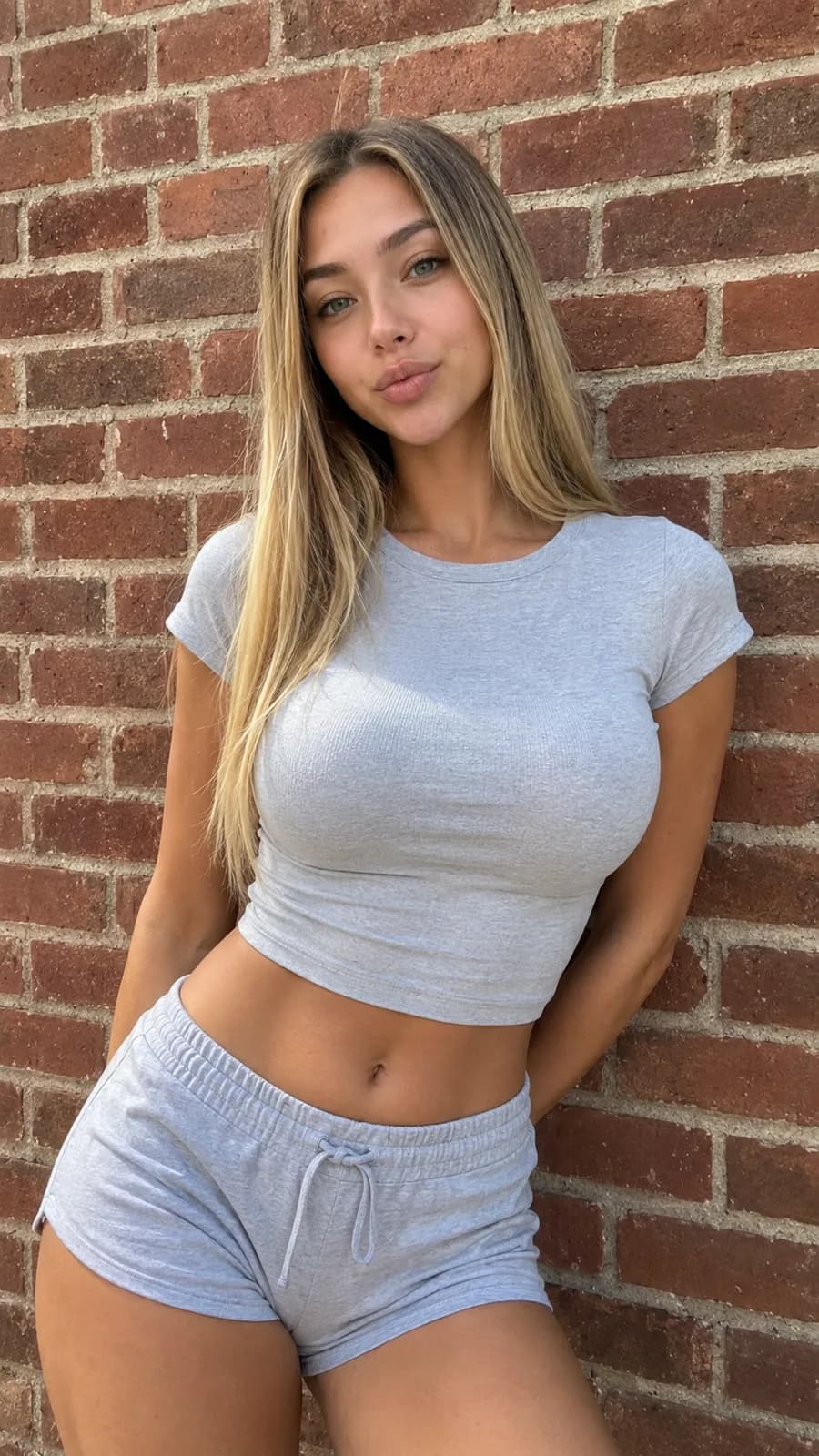
Take AriWixyy (ariwixyy on OnlyFans, itsbabearii on Instagram) as an example. With her engaging ASMR, lifestyle content, and impeccable modeling skills, she embodies the modern creator model. Her polished presentations and adept content creation could easily lead someone to question her authenticity. However, her interaction and personal touch are clear indicators of her real, independent presence in the platform's ecosystem. This highlights the delicate balance between professionalism and genuine connection that many creators must navigate.
How to Spot a Catfish
Signs of an Inauthentic Account
-
Unusual Posting Patterns: Real creators often have a consistent posting schedule that reflects their personal life and engagement with their audience. If an account posts sporadically or lacks interaction with fans, it might not be genuine. Many successful creators use content calendars to plan their posts, ensuring they maintain regular interaction with their followers. In contrast, catfish accounts may post randomly or in bursts, making it clear that they aren’t actively engaged.
-
Stock Images: Be cautious of profiles that use generic or overly perfect images. Many catfish accounts use stock photos or poorly edited images to mask their real identities. For example, a creator might use images that appear too polished or staged, lacking the spontaneity that genuine content often showcases. Look for nuances in the photos, such as unusual lighting, odd poses, or overly dramatic filters that could hint at a lack of authenticity.
-
Lack of Interaction: Authentic creators actively engage with their subscribers, responding to comments and DMs to foster a sense of community. If you notice a lack of responses to comments or DMs, this could be a sign that the account is run by someone else or is not engaged in real connections. For instance, if a creator consistently ignores questions about their content or personal anecdotes, it might indicate they are not who they claim to be.
-
No Personal Content: Genuine creators often share snippets of their lives, personality, and authenticity. If an account primarily features curated content with no personal touch, it might be worth scrutinizing. Authentic accounts tend to share behind-the-scenes moments, personal stories, and interactive polls, creating a sense of intimacy with their audience. In contrast, catfish accounts might focus solely on generic content with no relatable context.
-
Vague or Delayed Responses: Real creators often respond to inquiries swiftly, as they value their fans’ engagement. If responses are vague or delayed, this could indicate that a third party is handling the account. An authentic creator might take the time to craft thoughtful replies, while a catfish might rely on generic responses or template messages that don’t address specific fan questions.
The Role of Agency-Run Accounts
Agency-run accounts are another common concern for fans. These accounts often employ chatters, people who manage the interaction on behalf of the creator. While agencies can help creators manage large fanbases and streamline content delivery, they often lack the personal touch that defines genuine fan-creator relationships. Chatters can lack the knowledge of the creator’s personality and preferences, leading to a disjointed interaction that fails to resonate with fans.
Identifying Agency-Run Accounts
-
Overly Professional Marketing: If an account's marketing feels corporate or overly polished, it may be agency-run. This can include stock photos, generic responses, and a lack of spontaneity in posts. Agency-run accounts might also feature content that seems meticulously planned without the personal flair that independent creators often showcase.
-
Content Consistency: Agencies tend to maintain a uniform aesthetic, which can sometimes feel too polished or lacking in personality. If every post seems overly edited or similar, proceed with caution. A real creator may fluctuate in style or subject matter based on their own mood or life circumstances, while agency-run accounts can feel sterile in their consistency.
-
Distant Interaction: If the creator never directly interacts with their audience or only posts promotional material without personal commentary, it may indicate that an agency is running the account. Authentic creators often share their thoughts, engage in banter, and create a dialogue rather than a monologue with their fans, establishing a bond that agency-run accounts may fail to replicate.
Fans’ Role in Verification and Authenticity
Fans must take an active role in verifying the authenticity of creators they follow. Here are some practical tips to ensure you’re engaging with real influencers:
-
Do Your Research: Check their social media profiles for activity. Real influencers often have a presence across multiple platforms that showcases their personality and builds trust. For example, a creator known for their OnlyFans content may also share lifestyle vlogs on YouTube or engage with fans on Twitter, creating a more holistic image of who they are.
-
Engage with Content: Comment on posts or ask questions. Genuine creators will often respond, while catfish accounts may not. Engagement can include liking posts, participating in polls, or sharing your thoughts on their content, which can prompt a direct reply from the creator if they are authentic.
-
Look for Verification: Some platforms include verification badges next to creators' names. It’s a quick way to confirm authenticity, though not foolproof. Some creators may not be verified yet still produce genuine content. Therefore, it's wise to combine verification with other indicators of authenticity.
-
Join Fan Communities: Engaging in forums or groups dedicated to specific creators can provide insights from other fans. They can share experiences that may help you identify catfish accounts. For instance, Reddit or Discord groups dedicated to OnlyFans creators allow users to discuss their interactions, report suspicious accounts, and support one another in verifying the authenticity of their favorites.
FAQs
What is catfishing on OnlyFans?
Catfishing on OnlyFans refers to the practice of individuals pretending to be someone else to deceive fans, often using fake photos or personas to gain subscriptions. This can detract from the experience of subscribers looking for a genuine connection.
How can I verify a creator on OnlyFans?
To verify a creator, research their social media for consistency, check for direct engagement with fans, and look for verification badges on their profiles. Consider get into their previous work if available and searching for reviews or testimonials from other fans.
What are chatters on OnlyFans?
Chatters are individuals who manage an OnlyFans creator’s account, often responding to messages on their behalf. While they can help creators manage large audiences, responses may lack personal touch and may not reflect the creator’s unique voice or personality.
How can I distinguish between agency-run and independent creators?
Independent creators are often more personal in their engagement and content, while agency-run accounts tend to have a more corporate feel with less individual interaction. Look for unique storytelling, relatable posts, and authentic engagement that resonates with fans on a deeper level.
What should I do if I suspect an account is fake?
If you suspect an account is fake, do your research, engage with the creator to gauge their authenticity, and consider reaching out to other fans for their insights. Additionally, don’t hesitate to report suspicious accounts to platform moderators to help maintain the integrity of the community.
Wrap-Up
Navigating OnlyFans requires vigilance and care. As the lines blur between real and artificial, it’s essential for fans to stay informed and proactive. By learning how to spot catfishing and distinguishing real creators like AriWixyy from agencies or AI-generated personas, fans can enjoy a more authentic and personal connection with the content creators they support. Engaging thoughtfully with creators, conducting diligent research, and fostering community can enhance the overall experience on platforms like OnlyFans, ensuring that both fans and creators thrive in an environment founded on genuine connection and creativity.